

Ashtanga Mysore Style Yoga
Ashtanga Mysore Style
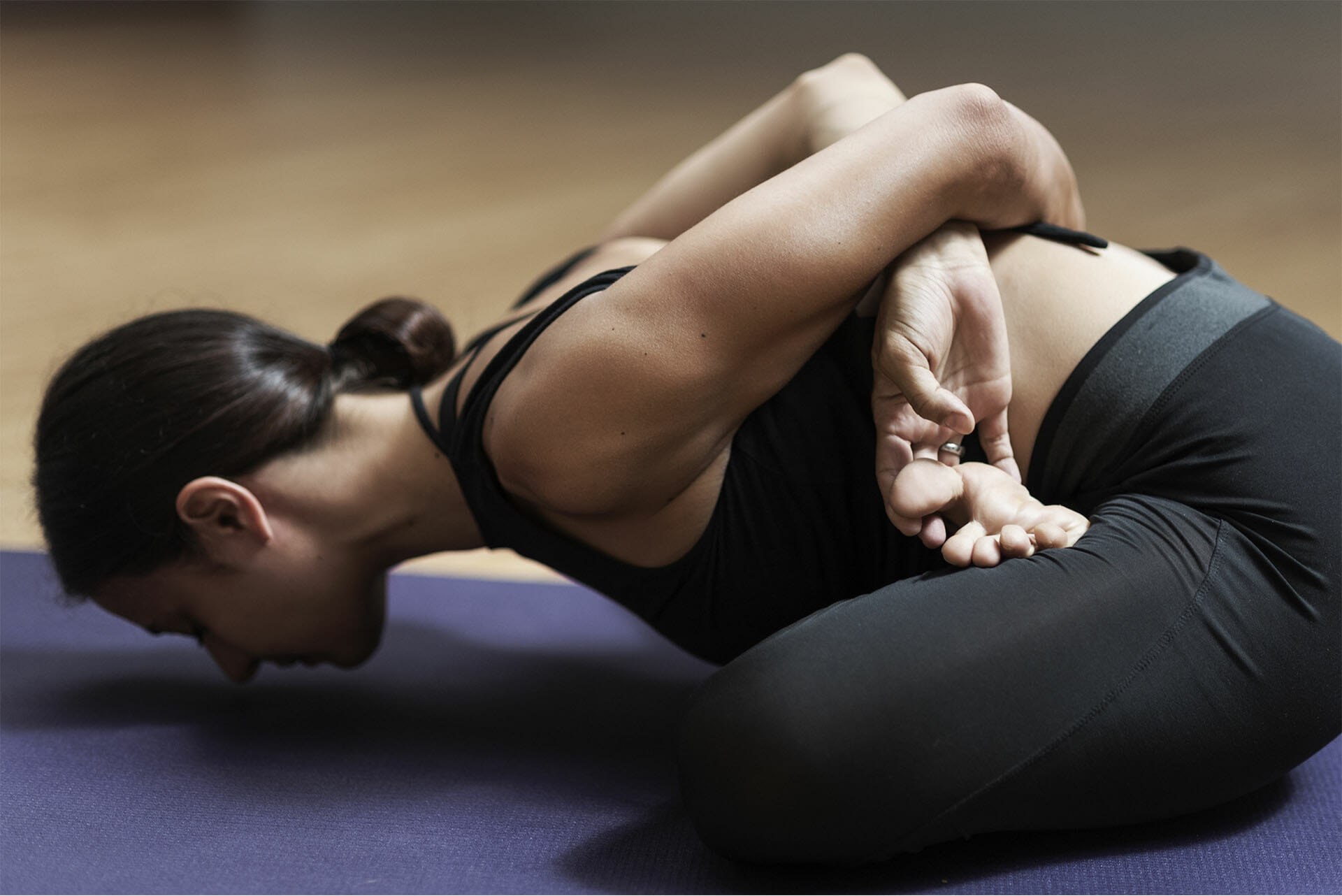
The Ashtanga method is characterized by a specific progressive series of postures that must always be followed, since each position prepares for the next, together with close attention to the coordination of breath (Ujjayi pranayama), gaze (Drishti) and movement. This method of yoga produces intense internal heat and purifying sweat that detoxifies the muscles and organs, resulting in better circulation, a strong and light body and a calm mind.
Ashtanga Mysore is Ashtanga practice taught in its most traditional form, in silence, usually in a private class, under the supervision of a teacher who corrects the student's mistakes and helps them go deeper into the postures, giving those small cues that make all the difference.
Mysore takes its name from a city in southern India, in the state of Karnataka, where Sri K. Pattabhi Jois, the founder of the Ashtanga method, studied with his teacher T. Krishnamacharya and taught this yoga practice for many decades.
Ashtanga Mysore can be considered an advanced style of yoga, since students are expected to know by heart the sequence of asanas that make up the series and to practice it on their own at the pace of their breath, without the teacher counting. For beginners, the teacher explains one asana at a time and adds new ones once the student has reached the necessary postural accuracy in the previous ones, also giving them the chance to actually memorize the sequence.
As with classic Ashtanga, daily practice is recommended, up to a maximum of six days a week, valuing rest as much as exercise. The benefits come from constant, regular work on your mat.
It is advisable not to practice on a full stomach and not to drink during class, so the body can work at its best. On full moon and new moon days it is better not to practice and to offer the body gentler movements.